
Source: Addiction as a Destroyer (2023) by Prof Wentzel Coetzer

What is Addiction Really?
Defining Addiction
- Addiction is a desperate means of trying to solve certain problems such as emotional pain, overwhelming stress, lost connection with others, no control, no identity, isolation and feelings of deep conflict with the self.
- The main aim of addiction is therefore to act like an anaesthetic to numb the pain or escape from it.
- Most would assume that drugs are what primarily defines addiction but it is not.
- Certain compulsive behaviours (e.g. sex, gambling, shopping, eating, social media etc) can also define addiction.
- Most addicts struggle with a lifetime of emotional negligence, abandonment and trauma that already started in their childhood hence travelling the addiction route.
Cry for Help or Selfish Behaviour?

Why don’t they just stop?
- Unfortunately, nothing can persuade an addict to stop; not illness, love and intimacy, loss of money and not even the fear of death.
- These people are victims of a merciless drive with a deathly hold.
- Therefore, the reason is that an addict fears life more and is not as simple as just threatening them to stop.
- Other barriers to seeking help include stigma, fear of judgment, and lack of resources.
- Stigma can deter individuals from seeking treatment and also perpetuate the cycle of addiction.
Are they just being selfish?
- Addiction can strain relationships and lead to selfish behaviours to maintain the addiction.
- Justifications for harmful behaviours may stem from the intense cravings and altered brain chemistry.
- Addiction unfortunately not only harms the individual but also impacts those around them.
Signs of Addiction
Possible clues to look out for
- Any repetitive behaviour (drug-related or not), wherein a person feels driven to carry out, regardless of the negative impact on their lives and those of others.
- Obsessiveness with that particular behaviour
- No control over themselves
- Continuing with the addiction regardless of harm to oneself.
- Loss of immediate gratification leads to unsatisfied feelings, irritation and intense cravings.
Addressing the Stigma
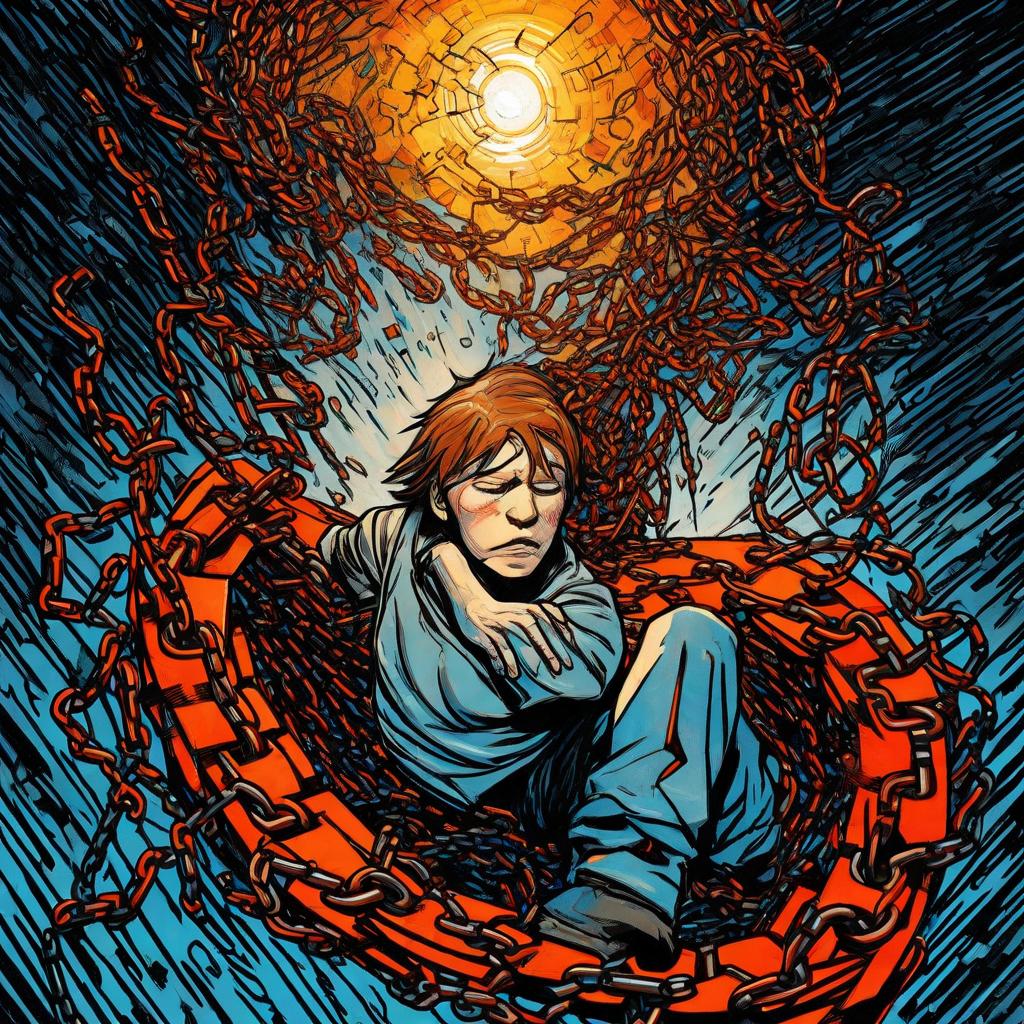
Challenging Misconceptions
- The root of drug addiction does not mainly lie in the ingredients of the drug itself but rather in how vulnerable the person is to that specific drug by means of genetics, environment and attachment.
- It is therefore not simply the drug that is solely responsible for the addicting behaviour.
- Most assume that addictive behaviour is because of chemical imbalances by itself but is only half true.
- An addict’s brain chemistry and structure can become damaged already before birth and afterwards depending on the parents and child’s upbringing.
Support Systems
- Education and awareness can help combat the stigma surrounding addiction.
- Strategies to reduce stigma include promoting empathy, sharing personal stories, and highlighting success stories.
- Empathy and understanding are key in supporting individuals struggling with addiction.
- Family and friends play a crucial role in providing support and encouragement for recovery.
- Community resources such as support groups, recovery centres, and helplines can offer additional support.
- Building healthy support networks is essential for long-term recovery and prevention of relapse.
Is there hope?

Yes, there is
- Firstly, it is very important to understand that addiction is not the problem but the trauma and neglect the addict experienced in their childhood.
- This makes recovery more possible.
- A professional must be seen in order to deal with all unresolved trauma.
- Alternatives are needed to substitute the drug or other addictive behaviour, e.g. to find meaning in society again and be welcomed back.
Recovery and Beyond
- Treatment approaches vary and may include therapy, medication, and holistic treatments.
- Building resilience is essential in overcoming challenges and maintaining sobriety.
- Aftercare support is crucial in preventing relapse and supporting long-term recovery.
- A safe space for when withdrawal takes place.
Addiction is a complex issue that requires empathy, understanding, and support for those struggling with it. It is essential to challenge the stigma and provide resources for recovery to help individuals break free from the cycle of addiction and lead healthier, fulfilling lives.
“An over-indulgence or anything, even something as pure as water, can intoxicate.” – Chriss Jami
FAQs:
- Q: Is addiction a choice?
- A: Addiction involves genetic, environmental, and psychological factors and impairs decision-making.
- Q: Can someone overcome addiction on their own?
- A: Professional help and support increase the likelihood of successful recovery.
- Q: How can I support a loved one struggling with addiction?
- A: Non-judgmental support, encouragement to seek professional help, and educating yourself on addiction can be beneficial.